Edgware oven cleaning emergency tips for Landlords
If you rent out property in Edgware, an oven problem rarely arrives at a convenient time. A new tenant moves in tomorrow, the check-in photos are due tonight, and suddenly the cooker looks like it has been through a Sunday roast marathon. That is exactly when Edgware oven cleaning emergency tips for Landlords become useful. Not the glamorous part of letting, admittedly, but one of the small things that can save a lot of stress, complaints, and avoidable back-and-forth.
This guide gives you practical, landlord-friendly steps for handling urgent oven cleaning without making the situation worse. You will get a clear plan for what to do first, what not to do, when to call in help, and how to reduce repeat problems in future tenancies. Let's face it: a clean oven is one of those details tenants notice immediately, even if they never mention it when everything is fine.
For landlords who want to keep property standards steady across tenancies, it also helps to understand where oven cleaning sits alongside wider end-of-tenancy and move-related cleaning needs. If you are already lining up a full end-of-tenancy clean or planning a move-in cleaning visit, the oven should be treated as a priority, not an afterthought.
Table of Contents
- Why emergency oven cleaning matters for landlords
- How emergency oven cleaning works in practice
- Key benefits and practical advantages
- Who this is for and when it makes sense
- Step-by-step guidance
- Expert tips for better results
- Common mistakes to avoid
- Tools, resources and recommendations
- Law, compliance, standards, or best practice
- Options, methods, or comparison table
- Case study or real-world example
- Practical checklist
- Conclusion
- Frequently asked questions
Why Edgware oven cleaning emergency tips for Landlords Matters
Emergency oven cleaning matters because a dirty oven is rarely just a cleaning issue. It can become a handover issue, a deposit dispute issue, a goodwill issue, and sometimes a safety issue. Grease build-up, burnt residue, and heavy carbon deposits all make a property feel neglected, even if the rest of the flat or house looks spotless. People judge quickly. Fairly or not, they do.
In a landlord context, the oven is often one of the first things a tenant inspects during a move-in. If it smells smoky, looks sticky, or has trays that could tell stories, trust drops immediately. In a move-out situation, a neglected oven can delay readiness for the next occupant and create pressure on the schedule. The more urgent the turnaround, the more every hour counts.
There is also the practical matter of protecting fixtures and appliances. If grime is left to sit, it hardens. Heat then bakes it in further, which can make future cleaning more difficult and sometimes risk damaging seals, glass, enamel, fans, or heating elements if people use the wrong products. A quick response is cheaper than a desperate one. That is usually how these things go.
Expert summary: For landlords, emergency oven cleaning is less about "making it look nice" and more about reducing friction at the handover stage, protecting the appliance, and avoiding a rushed last-minute repair-to-clean scramble.
If your property portfolio includes furnished lets, short-term stays, or frequent tenant turnover, the oven should be part of your regular maintenance rhythm. It sits nicely alongside services like regular cleaning and occasional one-off cleaning when you need a quicker reset between occupancies.
How Edgware oven cleaning emergency tips for Landlords Works
In practice, emergency oven cleaning works by triaging the problem. You first decide how urgent the situation really is, then choose the safest method based on the oven type and the level of grime. If the oven is only lightly greasy, a focused clean may be enough. If there is burnt-on carbon, heavy odour, or visible smoke residue, you are probably beyond a simple wipe-down.
Most landlords will face one of three situations:
- Pre-tenancy emergency: the property is nearly ready and the oven was missed during the original clean.
- End-of-tenancy emergency: the tenant has left, but the oven needs immediate attention before inventory, check-out, or re-letting.
- Mid-tenancy emergency: an issue has been raised after a complaint, inspection, or unexpected maintenance visit.
The method also depends on access. If the tenant is still in situ, you may need notice, coordination, and a shorter cleaning window. If the property is vacant, you can usually act faster, but you still want to document condition before and after. Photos matter more than people think. A simple phone album can save a lot of "it was like that already" conversations later.
For a landlord, the process is usually:
- Inspect the oven and note the severity of the soil level.
- Check whether the issue is cosmetic, functional, or both.
- Choose a safe clean based on oven type and surface condition.
- Use suitable products and avoid over-wetting sensitive parts.
- Test, wipe, dry, and photograph the result.
If the oven is heavily contaminated or the timing is tight, a professional oven cleaning service is often the sensible route. The goal is not just speed. It is controlled speed, which is a different thing altogether.
Key Benefits and Practical Advantages
The obvious benefit is a cleaner oven. But from a landlord's perspective, the knock-on effects are more valuable than that. A professionally handled emergency clean can improve the look of the kitchen, reduce complaint risk, and make the property feel cared for at first glance.
Here are the main practical advantages:
- Faster turnarounds: a clean oven can help a property move from "almost ready" to genuinely ready.
- Better tenant impressions: fresh appliances set the tone for the rest of the tenancy.
- Lower dispute risk: clear, documented cleaning helps if questions arise at check-out.
- Appliance protection: removing grime early can reduce wear from baked-on residue.
- Less odour: burnt grease and old food smells are hard to ignore in a small kitchen.
There is also a subtle letting advantage. A kitchen that feels clean signals decent management. That matters in Edgware, where tenants compare details quickly and usually know what "properly cleaned" should look like. They may not say it out loud, but they notice. Oh, they notice.
Emergency cleaning also pairs well with other fast reset services. If the kitchen has splashback grime, floor marks, or dust on cabinets, you may need support from deep cleaning or even a broader domestic cleaning visit to avoid a mismatched finish where the oven is gleaming but the rest of the room still feels tired.
Who This Is For and When It Makes Sense
This guide is aimed first and foremost at landlords, but it is also useful for letting agents, block managers, and property owners who handle their own maintenance. It is especially relevant if you manage:
- single lets with frequent tenant turnover
- furnished or part-furnished flats
- HMOs where kitchen standards need to stay consistent
- short-let properties that must be turned around quickly
- vacant properties waiting for new occupancy
You should think in terms of urgency whenever the oven is part of a changeover deadline. A moderate level of grime can often wait for a planned appointment. But if you have inventory photos tomorrow, a viewing this evening, or keys due back at lunchtime, it becomes an emergency simply because of timing.
It also makes sense to act fast if the oven is affecting the smell of the kitchen, if a prospective tenant has already commented on it, or if you are aware that the previous occupier used the oven heavily and left it in a poor state. Honestly, that last one happens more often than people admit.
If the property is on an Airbnb-style turnover schedule, the pace is even less forgiving. In that case, oven cleaning often needs to sit inside a wider fast turnaround service such as Airbnb cleaning rather than being treated as a stand-alone task.
Step-by-Step Guidance
When time is short, it helps to follow a simple sequence. Do not start by scrubbing everything in sight. Start by understanding what you are actually dealing with.
1. Assess the oven properly
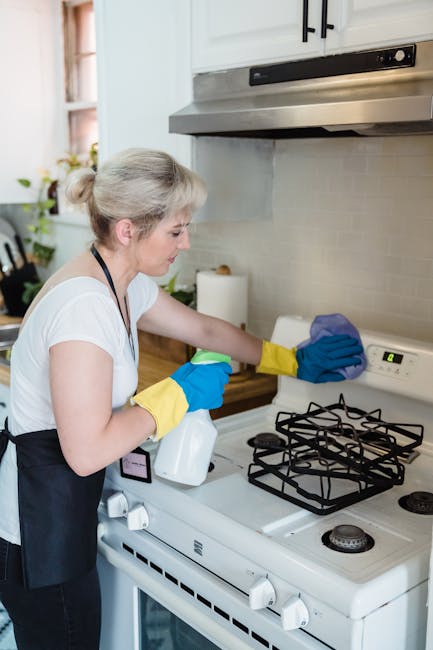
Open the door, remove the trays, and look for burnt-on grease, loose debris, cracked seals, damaged knobs, and any smell of overheating. If you notice electrical fault signs, stop and arrange a maintenance check before cleaning. A cleaning product will not fix a faulty oven, and trying to push ahead can create a bigger problem.
2. Remove detachable parts
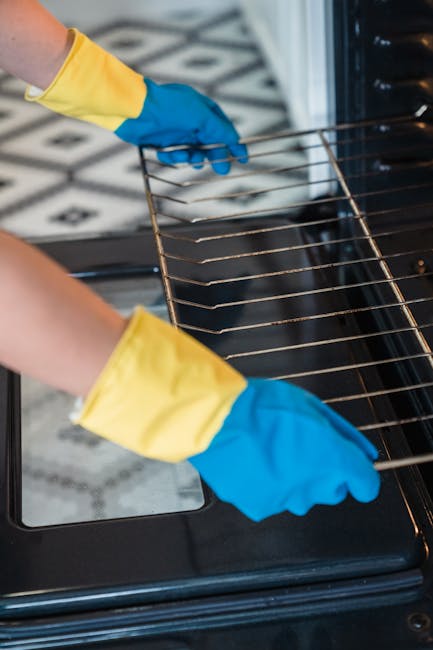
Take out the oven racks, trays, and anything else that can be safely cleaned separately. This makes the cavity easier to treat and stops you pushing dirt around. Lay the parts somewhere protected. A sink or lined bath works if there is no utility area, though in a landlord property you do want to keep things tidy and avoid drip marks on enamel or flooring.
3. Choose the right cleaning method
For light residue, warm water, a non-abrasive cloth, and a suitable degreasing cleaner may be enough. For heavier grime, use a targeted oven product or professional method. Avoid harsh scraping on glass or enamel. The aim is to lift residue, not attack the surface like you are chiselling a monument.
4. Clean from top to bottom
Work methodically. Clean the top, sides, base, door, glass, and seals in sequence. This reduces the chance of dirt falling onto a finished area. Pay attention to corners and the groove around the door, because that is where nasty little patches like to hide.
5. Rinse, wipe, and dry fully
Any cleaner left behind can leave streaks, odour, or sticky residue. Wipe down with clean water as required, then dry the surfaces carefully. If you have to hand over the property quickly, airflow matters. Leave the oven open for a while if safe to do so, and ventilate the room.
6. Reassemble and inspect
Put the racks and trays back only when they are fully dry. Check the hinges, handle, glass, and temperature dial area one more time. Then take photos. Before and after photos are invaluable if you need to show a letting agent, tenant, or inventory clerk what was done.
If the oven is especially stubborn, or the deadline is close enough to make everyone a bit twitchy, use a specialist service and combine it with wider finishing work such as end-of-tenancy cleaning or move-out cleaning. That keeps the whole property consistent rather than overly focusing on one shiny appliance in a room that still looks half-finished.
Expert Tips for Better Results
Here are the little things that make a big difference. Not dramatic things. Just the sort of practical habits that save time and reduce mistakes.
- Always test cleaning products first on an inconspicuous patch where possible, especially on older ovens.
- Do not saturate seals or fan areas; moisture in the wrong place is a nuisance and, sometimes, a hazard.
- Use microfibre cloths for the final wipe because they pick up fine grease better than ordinary towels.
- Ventilate the room while using any strong degreaser. A kitchen can smell clean and still feel unpleasant if the air is stale.
- Protect surrounding surfaces with cloths or paper if the kitchen is compact and you are working quickly.
- Document the condition before you begin, particularly if a tenant dispute is likely.
One small but useful landlord habit is to set a cleaning standard before any handover rather than improvising on the day. A short checklist for the oven, hob, extractor area, and nearby floor can cut panic by half. Maybe more, to be honest.
If the issue keeps recurring across tenancies, it may be worth scheduling a broader reset after a deep clean or with help from one-off cleaning rather than waiting for the next emergency. That is often the cheaper choice in the long run, even if it does not feel like it at the time.
Common Mistakes to Avoid
Emergency cleaning is where mistakes happen, usually because someone is in a rush. The most common ones are easy to avoid if you slow down for a minute.
- Using abrasive scourers on glass or enamel: this can leave scratches that are far harder to explain than a bit of grime.
- Cleaning around obvious faults: if the oven is sparking, tripping, or overheating, do not treat it like a normal cleaning job.
- Leaving chemical residue behind: this can affect smell, appearance, and even how safe the oven feels to the next user.
- Forgetting the trays and racks: a spotless cavity with filthy accessories does not pass the eye test.
- Ignoring the door seal: this is where dirt hides and where people often stop too early.
- Procrastinating until checkout day: the worst time to discover baked-on residue is usually the moment you have a tenant waiting downstairs.
There is also a softer mistake: assuming a quick wipe is "good enough" for every property. In a nicely finished flat, that may look fine for an hour, then not fine at all once the light changes. Afternoon sun through a kitchen window can be brutally honest.
Tools, Resources and Recommendations
You do not need a giant toolkit, but you do need the right basics. For landlords, the most useful items are practical rather than fancy.
| Tool or item | Why it helps | Useful note |
|---|---|---|
| Microfibre cloths | Lift grease and polish surfaces | Keep separate cloths for cleaning and drying |
| Non-abrasive sponge | Removes residue without scratching | Good for glass and enamel |
| Degreasing cleaner | Breaks down oil and baked-on grime | Check suitability for oven surfaces |
| Gloves | Protect hands from chemicals and residue | Especially useful on urgent jobs |
| Plastic scraper | Lifts stubborn spots gently | Avoid metal blades on delicate surfaces |
| Warm water and dry cloths | Helps with rinsing and final finish | Simple, but often enough for lighter jobs |
In some cases, the best resource is not a tool but a cleaner who can respond fast and keep the whole job moving. If you want the cleaning to sit neatly alongside broader property maintenance, services like house cleaning or deep cleaning can help bring the kitchen back into line without making you coordinate five different appointments.
Landlords who handle multiple properties often find it helpful to keep a standard handover pack: cleaning checklist, photo record, appliance notes, and any maintenance history. Nothing glamorous. Very useful, though.
Law, Compliance, Standards, or Best Practice
Oven cleaning itself is not usually the legal issue. The issue is the wider duty to provide a property that is safe, habitable, and presented in a reasonable state of cleanliness at the relevant handover point. Exact obligations can vary depending on tenancy type, contract terms, and the condition clauses in your agreement, so it is sensible to keep your wording and records clear.
Best practice for landlords in Edgware and across the UK generally includes:
- keeping an accurate inventory and check-in/check-out record
- using reasonable care with cleaning products and appliance surfaces
- documenting any pre-existing marks or wear
- making sure cleaning does not hide a maintenance problem
- working within the terms of your tenancy agreement and deposit process
If the oven is unsafe, damaged, or not functioning properly, do not treat cleaning as the fix. That is a maintenance matter. If you are unsure, it is wiser to separate cleaning from repair and deal with each properly. A tidy oven that still has a fault is still a fault.
Landlords also benefit from choosing providers who are comfortable with safety and insurance expectations. For a broader look at that side of the work, you may want to review insurance and safety information and the company's health and safety policy. That does not replace your own obligations, of course, but it helps you judge whether a cleaning partner works in a responsible way.
Options, Methods, or Comparison Table
When the pressure is on, landlords usually choose between handling the oven themselves, booking a standard cleaning visit, or requesting a specialist oven clean. Here is a quick comparison.
| Approach | Best for | Pros | Cons |
|---|---|---|---|
| DIY quick clean | Light grease, very short notice | Fast, low cost, flexible | Limited results on heavy grime; easy to miss detail |
| General cleaning visit | Moderate kitchen reset | Covers the oven within a wider clean | May not fully tackle burnt-on residue |
| Specialist oven cleaning | Heavy soil, urgent handover, visible buildup | Best finish, more consistent, less stress | Usually costs more than a simple wipe-down |
To be fair, the right choice often depends on the deadline. If you have three days and the oven is only lightly marked, a DIY clean may do the job. If you have three hours and the glass is dark with carbon, you are probably better off getting help. That is just common sense, really.
For properties where kitchen presentation affects the whole viewing experience, a specialist clean can work well alongside move-in cleaning so the entire place feels genuinely ready rather than partly ready.
Case Study or Real-World Example
A landlord managing a compact two-bedroom flat in Edgware had a viewings slot scheduled for early evening. During the final walk-through, the oven turned out to be the weak point: greasy fan cover, dark smears on the door glass, and a smell that was stronger than anyone wanted on a warm August afternoon. The rest of the kitchen was fine, which somehow made the oven stand out even more.
Instead of trying to force a hasty all-in-one clean, the landlord split the task. The racks were removed, the cavity was cleaned carefully, and the glass was treated separately. The final wipe-down was followed by ten minutes of ventilation and a quick photo record. The oven did not become showroom-perfect. It became presentable, honest, and clean enough that the viewing could go ahead without awkward explanations.
The useful lesson? In a landlord setting, "good enough" is not a lazy phrase. It means fit for the purpose in front of you. If the purpose is a handover or viewing, the finish needs to be clean, dry, and believable. No sticky handles, no odour, no obvious residue. That is the bar.
In a similar property, the landlord later built oven checks into a pre-move schedule alongside move-out cleaning and a kitchen spot-check before keys were released. Small change. Big reduction in stress.
Practical Checklist
Use this checklist when you need to respond quickly and keep things under control.
- Inspect the oven for grime, odour, or signs of damage
- Confirm whether the issue is cosmetic or maintenance-related
- Remove trays, racks, and loose accessories
- Protect nearby surfaces and floors
- Use a suitable cleaner for the oven surface
- Work from top to bottom
- Clean the door glass and seal carefully
- Rinse or wipe away chemical residue
- Dry everything fully before reassembly
- Ventilate the kitchen
- Take before-and-after photos
- Record any persistent faults or unusual wear
- Arrange further help if the oven still looks unsafe or heavily stained
Quick landlord tip: If the oven is part of a wider changeover, do not tackle it in isolation. Tie it in with the kitchen, floors, and surfaces so the finish is consistent. A spotless appliance in a dusty room is a bit of a mixed message.
When the schedule is tight, a coordinated visit can be more efficient than piecemeal fixes. If you need broader property support, you can also look at one-off cleaning or, for properties with heavier usage, regular cleaning to keep standards steadier across tenancies.
Conclusion
For landlords, emergency oven cleaning is not just a kitchen chore. It is part of managing expectations, protecting your property, and reducing the little flashpoints that turn into unnecessary disputes. The good news is that most urgent oven problems can be handled calmly if you assess the condition properly, use the right method, and keep a record of what was done.
If you are balancing a move-in, move-out, or same-day viewing in Edgware, the safest approach is usually the simplest one: act quickly, clean carefully, and do not pretend a maintenance problem is only a cleaning problem. That small bit of judgement saves time later. Usually a lot of time.
Get a free quote today and see how much you can save.
And if there is one thing worth remembering, it is this: a clean oven is not about perfection. It is about confidence. For the next tenant, for the next inspection, and for you.
Frequently Asked Questions
How quickly should a landlord deal with an emergency oven clean?
As soon as the issue is spotted, especially if a move-in, move-out, or viewing is close. The sooner you deal with it, the less likely the grease has time to harden or the smell has time to spread.
Can I clean a badly dirty oven myself as a landlord?
Yes, if the grime is light to moderate and the oven is in good working order. If the residue is heavy, the deadline is tight, or the oven has signs of a fault, a professional clean is usually the better option.
What is the biggest mistake landlords make with oven cleaning?
Leaving it too late. That tends to create rushed cleaning, weaker results, and avoidable complaints. The second biggest mistake is using abrasive tools that damage the oven surface.
Should oven cleaning be included in end-of-tenancy cleaning?
Usually, yes. The oven is one of the most inspected parts of the kitchen, so it makes sense to include it within an end-of-tenancy cleaning plan rather than treating it as optional.
What if the oven smells burnt even after cleaning?
That can mean grease is still trapped in hidden areas, such as around seals, vents, or the fan housing. It may also point to a maintenance issue. If the smell remains strong, inspect carefully and consider further help.
How do I prove the oven was cleaned properly?
Take clear before-and-after photos, keep the cleaning date noted, and store the record with your inventory or handover documents. Simple proof is often enough when everyone can see the difference.
Is it worth booking a specialist oven cleaning service for a rental property?
Yes, especially where the oven is heavily soiled, the handover is urgent, or you want a consistent finish across multiple properties. It can save time and reduce the chance of a poor first impression.
Can oven cleaning help avoid deposit disputes?
It can help, because a documented, reasonable clean reduces room for disagreement about the property's condition. It will not solve every dispute, but it can make your position much clearer.
What cleaning products are safest for landlord use?
Use products that are suitable for oven surfaces and follow the instructions carefully. Avoid harsh abrasives and anything that could damage glass, seals, or enamel. When in doubt, test cautiously first.
Should I clean the oven before a tenant moves in even if it looks okay?
Yes, a fresh clean sets the right tone and helps the property feel properly prepared. Tenants notice whether the oven has been genuinely reset or merely wiped over.
When should I stop cleaning and call a professional?
If the oven has heavy carbon build-up, stubborn odour, limited access, sensitive surfaces, or any sign of damage or malfunction, stop and get professional help. That is the sensible line.
Does oven cleaning need to be part of wider property cleaning?
Usually it should. A clean oven looks best when the rest of the kitchen and nearby areas are also tidy, which is why landlords often combine it with deep cleaning or kitchen-focused upkeep.
How can I reduce future emergency oven cleans?
Build oven checks into every changeover, use a short handover checklist, and keep routine cleaning in place between tenancies. Small habits are what stop the big last-minute scramble later on.